Titanium Alloy & Inconel Machining: Common Challenges When Sourcing Reliable Suppliers
Many design and procurement engineers run into a range of frustrating issues while looking for reliable suppliers of precision machined titanium components. In this article, we break down the typical challenges you will face during sourcing, and what reliable titanium alloy CNC machining supplier options in Dongguan and Shenzhen are like.
Challenge 1: Titanium is difficult to machine, and qualified capable manufacturers are limited
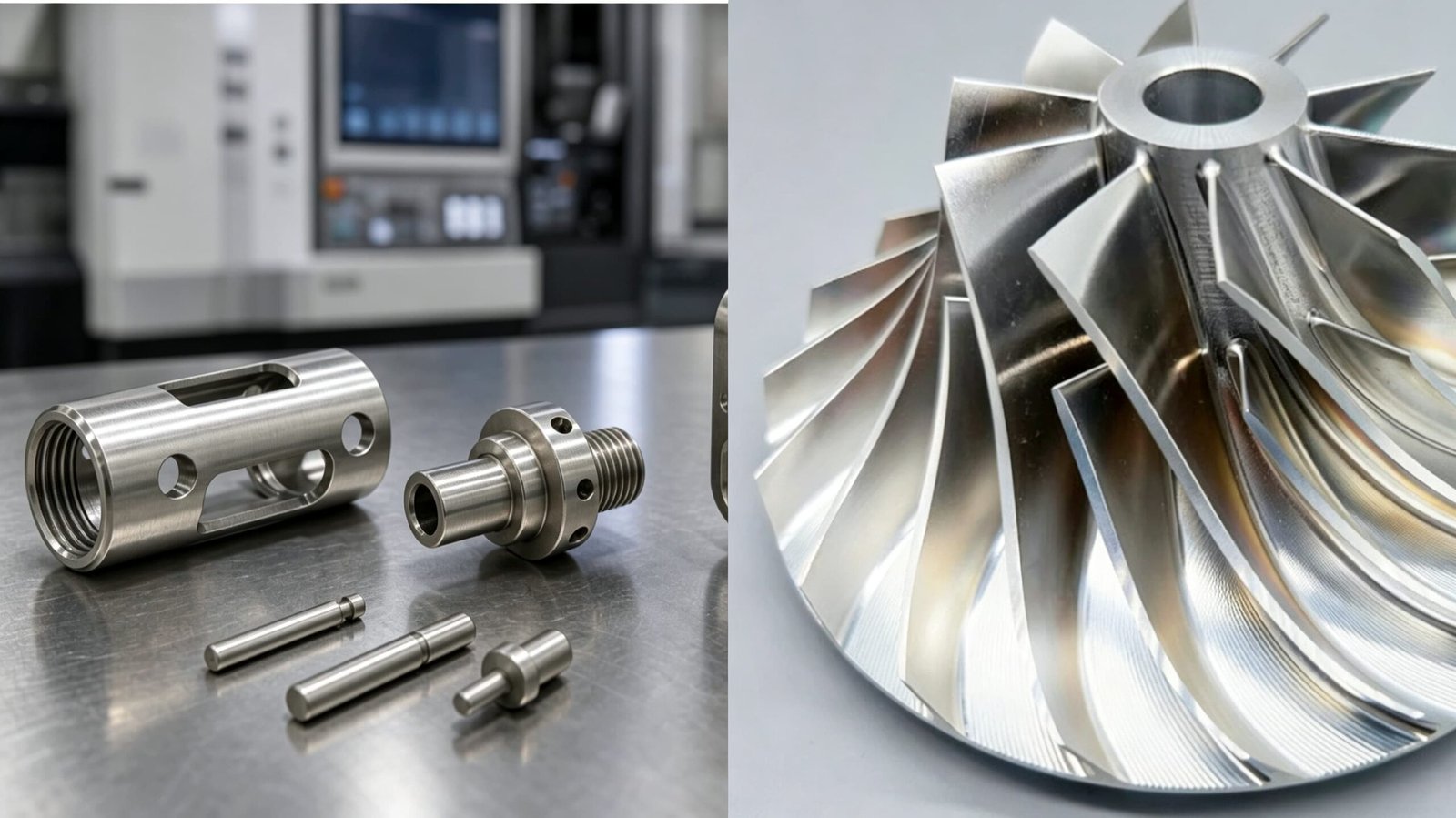
Titanium has low thermal conductivity and tends to work-harden during cutting. It also easily sticks to cutting tools. Machining titanium requires strict control of cutting tools, process parameters, machine performance and operator experience. Most CNC workshops focused on aluminum or regular steel will decline titanium orders. Even if they accept the RFQ, they often struggle to maintain stable yield. As a result, the pool of suppliers who can consistently deliver high precision titanium machining parts is relatively small. Many engineers also find Inconel 718 machining sourcing challenging, since this nickel alloy comes with even greater cutting difficulties.
Challenge 2: Multi-layer subcontracting leads to inflated pricing
Titanium machining is already far more costly than aluminum machining.
Some workshops accept your inquiry even when their production capacity is fully booked, or they do not actually have titanium machining capability. They will subcontract the job to another factory that can process titanium.
Every additional subcontract layer adds extra markup on the price. On top of the already high base machining cost, repeated price increases from middlemen push the final quotation much higher. This is a well-known CNC machining subcontracting risk. Subcontracting also creates communication gaps, which raise the risk of misaligned requirements and unclear accountability if defects occur.
Challenge 3: Quality control is hard, and non-conformities are often found only after delivery
Even once you agree on the price, significant quality risks remain. You need to verify multiple points before shipment:
- Whether the raw material grade matches your specification, with traceable titanium machining MTR certificate
- Whether dimensions and tolerances can meet your drawing requirements consistently
- Whether surface finish and surface treatment achieve your expected results
Quite a few buyers discover out-of-spec dimensions, surface burning or wrong material only after receiving goods. Rework or remaking parts delays project timelines heavily.
A practical way to reduce this risk is pre-shipment inspection for CNC parts. You can arrange on-site checks or third-party testing. Confirm all specifications pass inspection before releasing final payment and shipment.
The landscape of high-precision titanium machining factories in Dongguan and Shenzhen
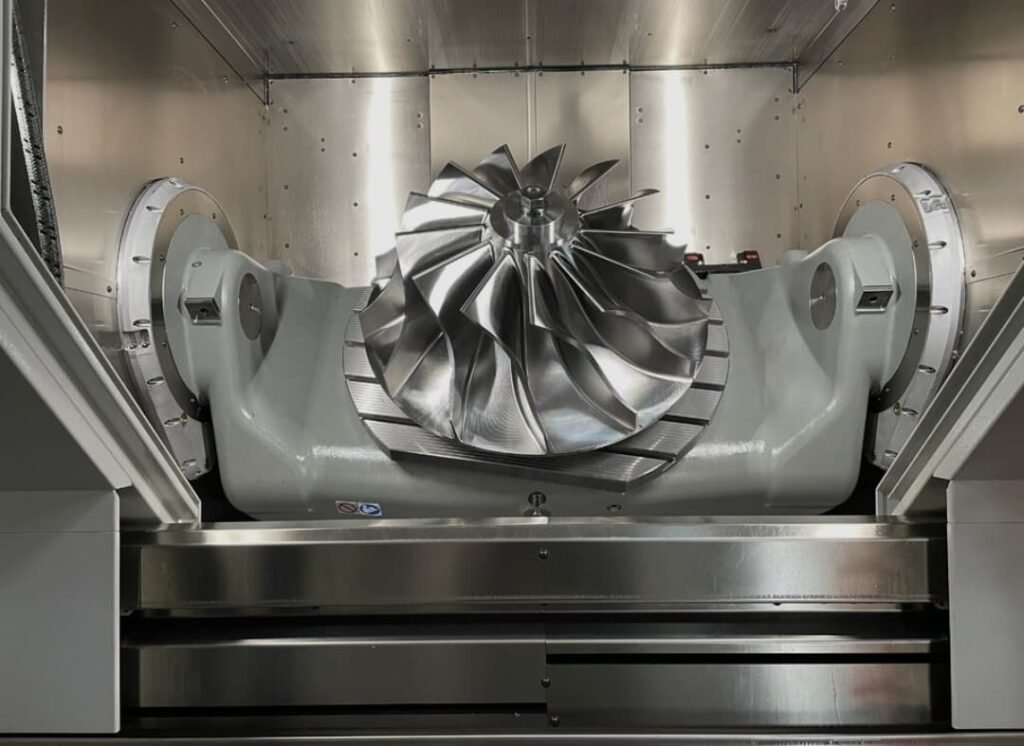
There are thousands of CNC workshops across Dongguan and Shenzhen, but only a small subset specialize in stable, high-precision titanium parts. They serve fields including aerospace precision machining parts and medical grade titanium machining. Most local CNC factories mainly process aluminum and stainless steel.
Characteristics of reliable suppliers:
- Solid equipment setup: They operate 4-axis and 5-axis CNC centers, together with complete inspection tools such as CMMs, height gauges and micrometers. They are not simple machine shops without independent inspection capacity and can validate dimensions in-house.
- Mature process experience: They have proven cutting strategies for titanium, with proper tool selection and parameter control. They hold past project experience in precision titanium parts for robotics, optics, medical and aerospace industries, instead of testing titanium for the first time.
- One-stop supporting capacity: They can arrange heat treatment, PEO, anodizing and other secondary processes via stable in-house or long-term cooperative partners. This avoids repeated outsourcing and reduces communication errors and lead-time delays.
- Compliant documentation and certifications: Some factories hold specialized certifications including ISO13485 and AS9100D. They can provide MTR certificates, dimensional inspection reports and FAI reports upon request, to support material traceability and supplier audits.
Closing
The core difficulty of sourcing titanium and Inconel parts is not finding a factory willing to quote, but identifying verified source manufacturers with real processing capability, no hidden subcontracting and reliable quality control.
If you have sourcing needs for hard-to-machine alloys such as titanium, Inconel or hastelloy parts, submit your project requirement. We help you screen qualified manufacturers and manage quality and inspection throughout the order.